


CalCAN Releases Recommendations for the Next Governor and Administration
-

September 30, 2026
-

Renata Brillinger
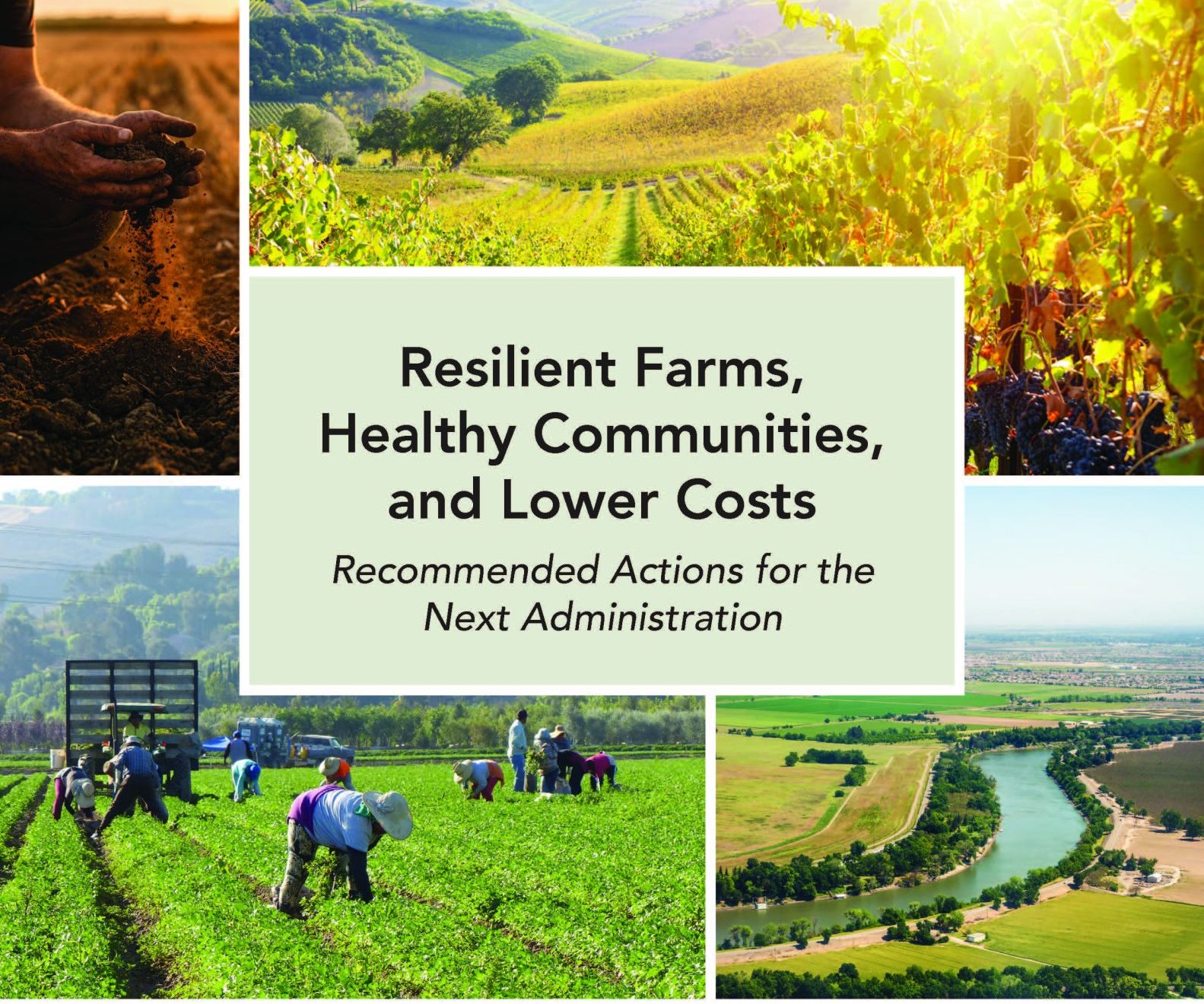
California’s next Governor will be sworn in on January 4, 2027. He will be only the third governor in the 16 years since the state began implementing its groundbreaking climate law, AB 32, passed in 2006. Like his predecessors, the next Governor and their administration will face myriad challenges and opportunities such as the cost of living, housing shortages, homelessness, disaster response to wildfires, droughts and flooding, economic hardship caused by cuts to federal spending, and annual budgets that swing dramatically from surpluses to deficits. Also like previous governors, he will have mandatory climate targets to meet and climate programs to administer.
Governors have many tools at their disposal to implement their vision and priorities. The people they appoint to lead agencies and boards carry out the governor’s programmatic and policy priorities and lead program implementation. In the case of agriculture, the most important of these include the secretaries of the Department of Food and Agriculture, the Natural Resources Agency, the Department of Water Resources, and the Department of Pesticide Regulation as well as the chair and members of the California Air Resources Board which is the lead agency for climate change programs. The governor sets the stage for annual budgeting decisions by producing a draft budget in January and a revised budget in May, and works with the legislature to agree on annual funding priorities. The governor also serves as an ambassador to other state and national governments—a role that is important given California’s huge economy and outsized role as an influential player on the global stage.

This gubernatorial transition is coming at a critical time for the state’s farmers and food system. Farmers and farmworkers are the backbone of California’s rural communities, its $60 billion agricultural economy, and the nation’s supply of healthy food. Despite their essential role, they face unprecedented challenges, including record-high input costs, worsening climate change impacts, and increasing regulations. As a result, California is losing an average of 1,500 family farms and 40,000 acres of farmland per year. At the same time, California’s farmers, farmworkers, and rural communities continue to suffer from cancer, asthma, and other chronic health issues at disproportionate levels due to their unfulfilled right to clean air and water. The costs of these challenges will continue to spiral until we address their root causes.
CalCAN has just published a set of recommendations to the next California governor titled Resilient Farms, Healthy Communities, and Lower Costs, grounded in input from our farmer, science, and policy advisors and other experts in our network. In the report, we lay out actions that are achievable in the first two years of the new administration by building on and improving existing policies, regulations, and programs to support farmers and farmworkers in transitioning to more resilient and regenerative agricultural systems. These actions collectively reduce air and water pollution, support the state’s climate goals, and reduce our reliance on imported and costly inputs. We believe that taking a preventive approach will be more cost-effective than treating the symptoms of increasing climate disasters, healthcare costs, and food insecurity.
Our recommendations fall into the following four categories:
- Strengthen farm resilience while improving air and water quality
- Support dairies to improve water quality and produce compost
- Protect California’s farmland and the nation’s healthy food supply
- Provide stable, diversified funding to support the transition to more resilient and regenerative agricultural systems
In each section, we describe a vision for the future, briefly summarize the challenges in reaching that vision and the progress made to date, and lay out several actionable steps to move in the direction of improving the health, affordability, climate resilience and equity in California’s agriculture industry.
Making progress on these recommendations will need the engagement of farmers and ranchers, agriculture professionals, researchers and advocates. We invite you to get involved with CalCAN to help us educate and support the next governor and their administration in making them a reality. Please email brian[at]calclimateag.org with your ideas and interest.
Read the full report: Resilient Farms, Healthy Communities, and Lower Costs
Discover more from CalCAN - California Climate & Agriculture Network
Subscribe to get the latest posts sent to your email.
Related Articles



Sign Up For Our Newsletter
"*" indicates required fields