


Congressional Update: COWS Act Reintroduced as Senate Farm Bill Talks Continue
-

agosto 26, 2026
-

Colton Fagundes
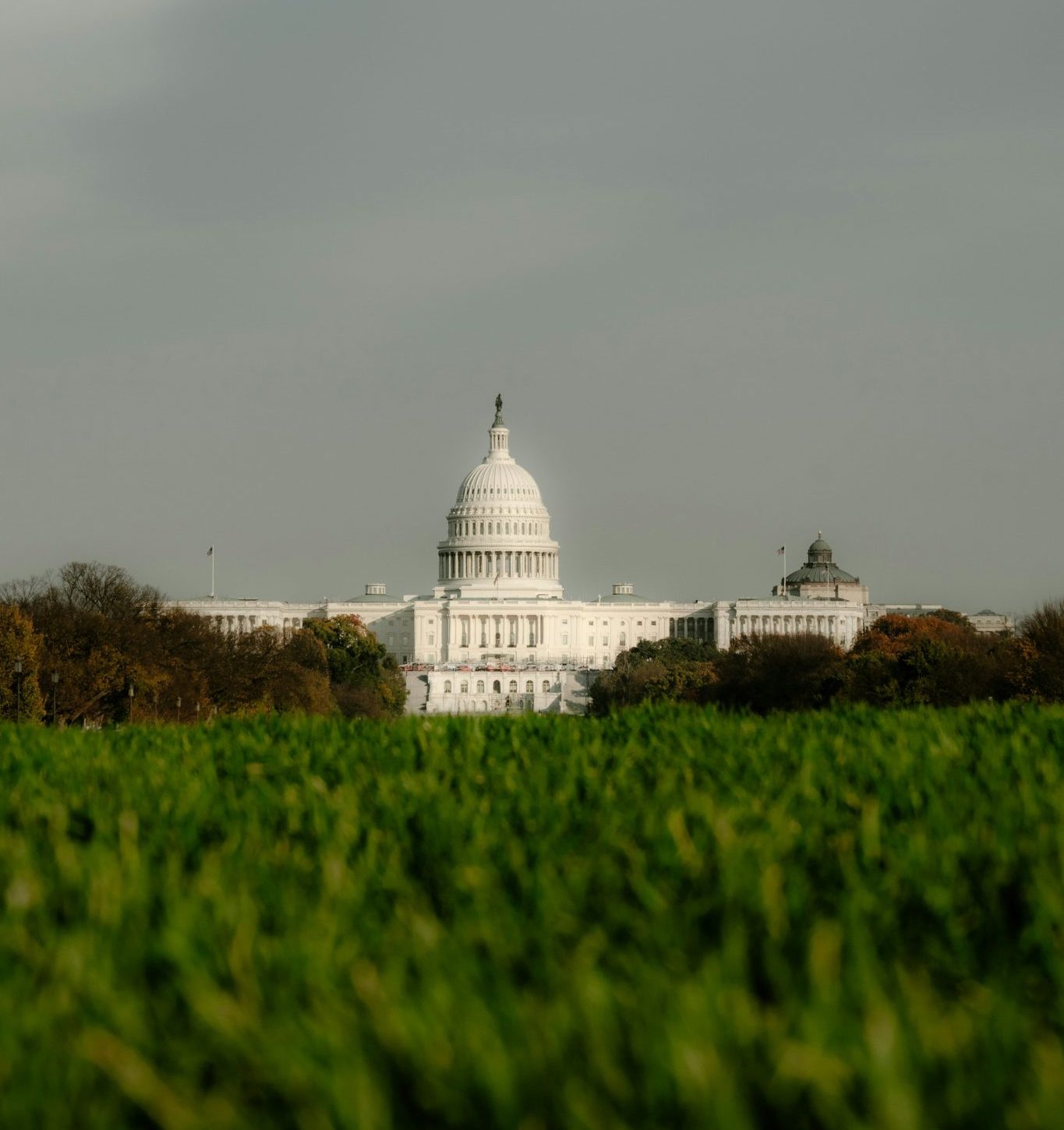
After years of delay, Congress is once again trying to move a new Farm Bill. On August 6, the Senate Agriculture Committee began marking up Chairman John Boozman’s farm bill proposal, The Agricultural Act of 2026. The Farm Bill – which last passed in 2018, expired in September 2023, and Congress has temporarily extended multiple times – is a package of legislation reauthorized roughly every five years that shapes almost every aspect of federal agricultural policy.
This is the furthest the Senate has progressed this Farm Bill cycle. However, the committee ultimately did not advance the bill, leaving open the possibility of returning to negotiations after the August recess. The House Agriculture Committee passed their Farm Bill out of markup earlier this year. If the Senate advances their markup out of committee, both houses would then need to hold a full vote to approve the respective versions, which would then go to a “conference committee” to reconcile the differences.
The timing was fitting for CalCAN. The markup unfolded during the final day of the National Sustainable Agriculture Coalition’s (NSAC) annual Summer Meeting in Fayetteville, Arkansas, where CalCAN and other NSAC members were gathered. Between meeting sessions, NSAC staff and coalition members were analyzing amendments, comparing priorities, and communicating with congressional offices in real time.
That same week also brought big news on one of CalCAN’s longstanding federal priorities: Senator Alex Padilla reintroduced the Converting Our Waste Sustainably (COWS) Act in the Senate, joined by co-authors Senators Adam Schiff of California and Martin Heinrich of New Mexico. The COWS Act is a ‘marker bill’ intended to build support for policies that can ultimately be incorporated into a larger package, most likely the Farm Bill.
Together, these developments offered some encouraging signs after years of Farm Bill gridlock. But they also underscored how much work remains to produce a Farm Bill that adequately supports farmers, strengthens regional food systems, protects nutrition programs, and invests in agricultural conservation and climate resilience.
Taking California’s alternative manure management approach national
The COWS Act grew directly out of CalCAN’s work in California. CalCAN helped establish the state’s Alternative Manure Management Program (AMMP), which provides dairy and livestock producers with financial incentives to reduce methane through practices that keep manure out of anaerobic storage.
Drawing from that experience, CalCAN worked with congressional offices and partner organizations to develop the original COWS Act and build a coalition of dairy, agriculture, and environmental groups in support. In 2023, Representative Costa (D-CA) introduced the original bill in the House, and Senator Padilla followed suit in the Senate. Representative Costa reintroduced the bill for the 119th Congress early in 2025 with bipartisan support.
Many small and mid-sized organic and pasture-based dairies have found that anaerobic digesters are not a practical methane solution for their operations. Alternative manure management practices such as solid separation, converting from flush to scrape systems, and pasture-based management can reduce methane while also offering other potential benefits, including reduced water use, improved manure nutrient management, and the production of compost and other useful soil amendments.
The COWS Act would make incentives for alternative manure management practices more accessible through the Environmental Quality Incentives Program (EQIP) administered by the United States Department of Agriculture Natural Resource Conservation Service while also providing the relevant technical assistance and education for producers.
The renewed Farm Bill debate could provide another opportunity to advance the COWS Act. CalCAN is continuing to work with NSAC and congressional partners to identify the best path forward.
Some bipartisan progress, but the Senate Farm Bill remains stalled
The August 6 markup started from Senator Boozman’s Farm Bill proposal, which had already undergone some bipartisan revisions before the committee met. During markup, Democrats and Republicans also agreed to a package of amendments that made several additional improvements.
One of the most significant wins for NSAC members was two years of mandatory funding for the new Strengthening Local Food Security Program, modeled in part on the Local Food Purchase Assistance program. The program would support purchases from local and regional producers while helping communities access fresh, locally produced food. This was a major priority for sustainable agriculture organizations and an example of an area where bipartisan negotiations produced a meaningful improvement.
California advocates were actively engaged in the lead-up to the markup. CalCAN worked with several members of NSAC’s California Caucus, including California FarmLink, Community Alliance with Family Farmers, Roots of Change, and Wild Farm Alliance, to communicate shared priorities to Senator Schiff and his staff.
We are especially grateful to Senator Schiff for advancing amendments addressing priorities for organic producers, regional food systems, USDA staffing capacity, and improved access to conservation programs. CalCAN and our partners also encouraged support for broader efforts to protect conservation funding and improve EQIP access for small and mid-sized farms.
Despite these gains, the committee could not reach agreement on several larger disputes. The immediate obstacle was the Supplemental Nutrition Assistance Program (SNAP). Changes enacted last year shifted additional SNAP costs to states, and Senate Democrats argued that the Farm Bill proposal did not go far enough to address those impacts. The parties were unable to reach a deal, and the committee did not advance the bill.
Conservation funding remains a major line in the sand
One of the most concerning remaining threats in the Senate farm bill proposal is the cut to the two largest USDA NRCS working lands conservation programs: EQIP and the Conservation Stewardship Program (CSP).
The proposal would reduce EQIP funding by more than $1.9 billion over the first five years. Although EQIP funding would later return to current-law levels, the near-term cut would come at a time when farmer demand already far exceeds available resources. CSP faces a $500 million cut that would also reduce the program’s long-term funding baseline.
EQIP and CSP help farmers and ranchers pay for practices that improve soil health, conserve water, reduce erosion and pollution, support wildlife habitat and strengthen farm resilience. They are also the principal federal programs through which many producers can access the conservation practices CalCAN advocates for.
Both programs are already heavily oversubscribed. The Instituto de Política Agrícola y Comercial reports that only 24% of EQIP and 37% of CSP applications were awarded contracts in 2025. Reducing funding would mean turning away even more farmers who are ready to make conservation improvements.
Senator Bennet of Colorado offered amendments to restore the EQIP and CSP cuts, with Senator Peter Welch of Vermont also involved in efforts to restore CSP funding. They were not included in the bipartisan agreement that emerged from markup, leaving conservation funding among the central unresolved issues.
The Agriculture Act of 2026 is a significant step backward from the Farm Bill proposal introduced by then-Senate Agriculture Committee Chair Debbie Stabenow in 2024. While that proposal still had room for improvement, it took important steps toward ensuring federal farm policy more fairly and effectively helps farmers build climate resilience and adopt mitigation practices. Many of those provisions, including priorities drawn from the Agriculture Resilience Act supported by CalCAN and NSAC, are largely absent from the current Senate proposal. Combined with the proposed conservation funding cuts, these omissions leave significant work to be done before the bill can meet the scale of the economic and climate challenges facing agriculture.
What comes next
The Agriculture Committee can return to the bill when the Senate reconvenes, but the timing and path to a broader bipartisan agreement remain uncertain, and the legislative calendar is short.
As negotiations continue, CalCAN will look for a final package that protects and strengthens EQIP and CSP funding, preserves the gains made during markup, addresses remaining climate and resilience gaps, and creates a viable path to advance the COWS Act.
The August markup showed that bipartisan improvements are still possible. It also underscored how much work remains. California farmers need a Farm Bill that invests in conservation, expands opportunities for small and mid-sized producers, strengthens regional markets, and helps agriculture respond to a changing climate. CalCAN will continue working with NSAC and California’s congressional delegation to advance those priorities as negotiations resume.
Descubre más desde CalCAN - California Climate & Agriculture Network
Suscríbete y recibe las últimas entradas en tu correo electrónico.
Artículos relacionados
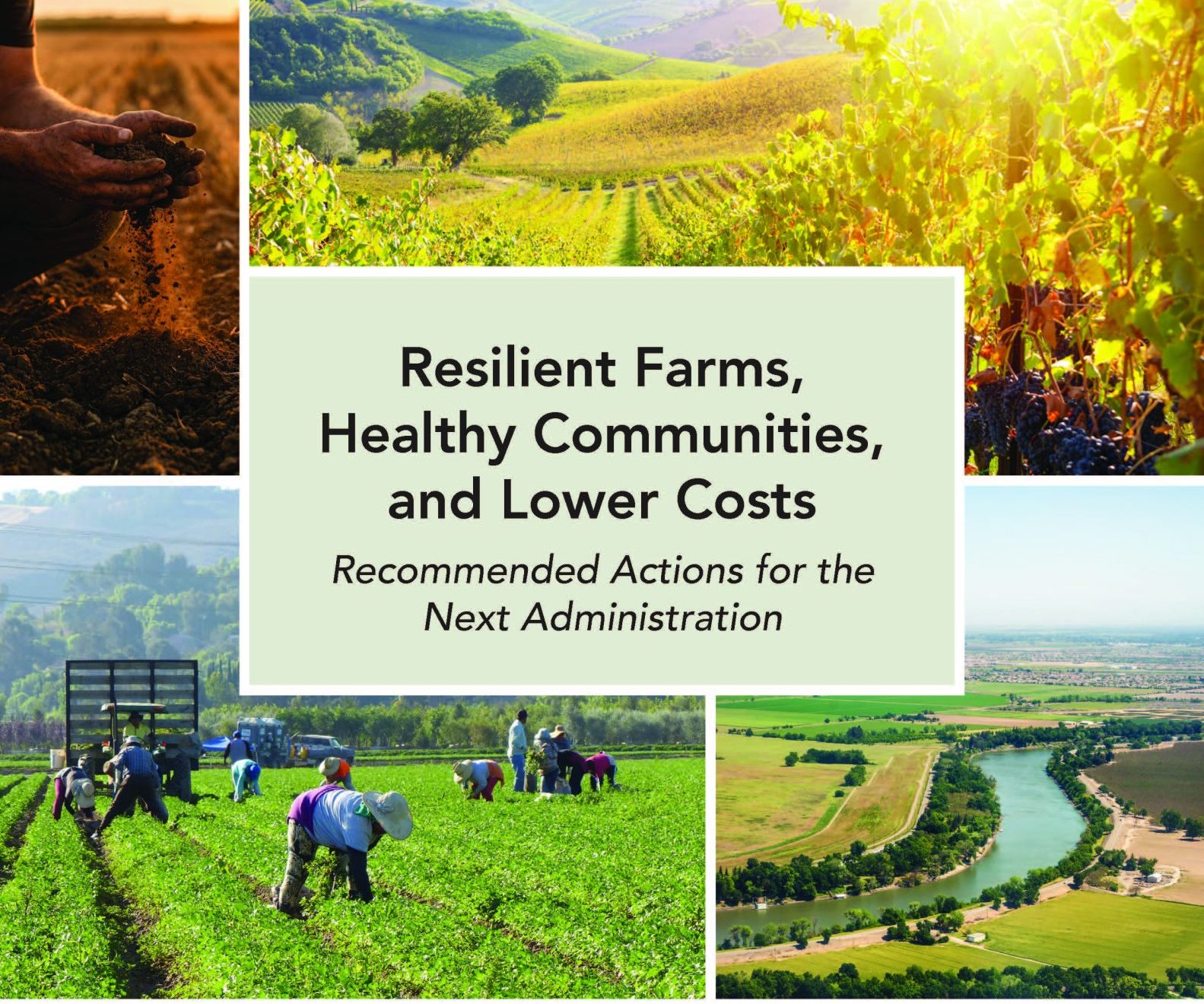

CalCAN Releases Recommendations for the Next Governor and Administration
septiembre 30, 2026



Suscríbase a nuestro boletín
"*" indica los campos obligatorios