
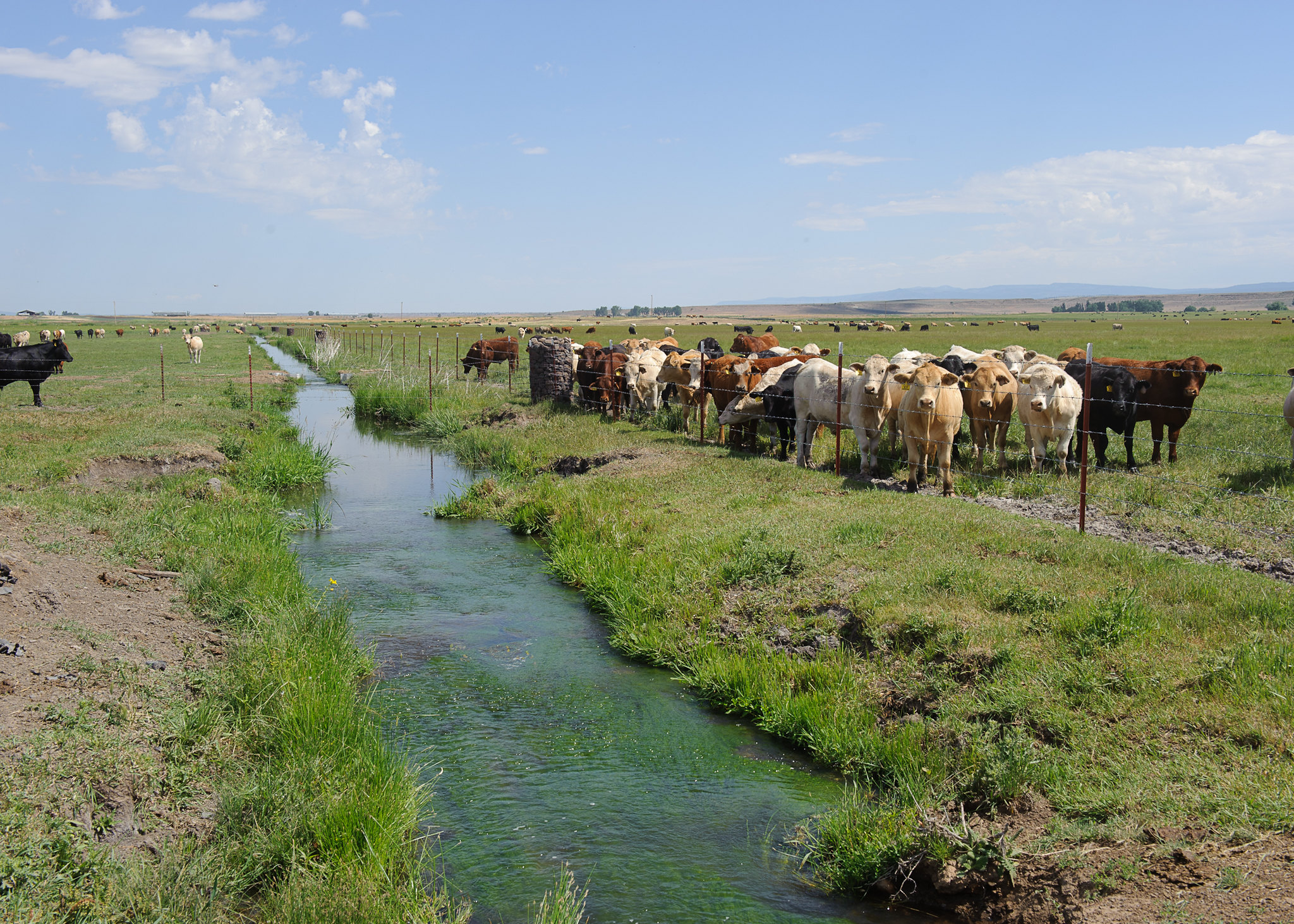
 Willow Creek Ranch Photo Credit: USDA NRCS CA, CC BY 2.0
The Sustainable Agricultural Lands Conservation (SALC) Program, created in 2014, was the first program in the country to invest in farmland conservation as a climate strategy. CalCAN advocated alongside a coalition of land trusts and conservation organizations for its creation.
The program, which is housed at the Strategic Growth Council and administered by the Department of Conservation, funds permanent agricultural conservation easements on agricultural lands at risk of development. The program also funds integrated land use planning by local governments and capacity building for land trusts to promote infill development and farmland conservation.
However, the program is currently at risk of losing its funding due to a lack of clarity in the Governor’s Budget Proposal.
CalCAN and American Farmland Trust are working together with land trusts and other SALC stakeholders to ensure that this program stays funded. We encourage you to read CalCAN and AFT’s letter to the legislature, which you can view and sign onto using this form by the end of day March 26th.

What Has Changed – Historical Funding and the Current Budget Proposal
Since 2015, SALC has received 10% of funds allocated to the Affordable Housing and Sustainable Communities Program (AHSC) through Cap and Invest’s Greenhouse Gas Reduction Fund (GGRF). The AHSC program has a statutory goal of protecting agricultural lands in support of infill development, which is accomplished through SALC. In 2025, California enacted SB 840, which allocated $800 million annually to the AHSC account at the Strategic Growth Council, which, under the prior agreement, would have allocated $80M annually to SALC. However, the Governor’s Budget Proposal is currently silent on the amount of funds dedicated to SALC.
SALC’s Impact on Farmland Conservation and GHG Reduction
Since 2014, SALC has funded 245 conservation easement projects and 15 fee acquisition projects to protect approximately 278,954 acres across the state.1 This is equivalent to the total area of the City of Los Angeles. The program has additionally funded 42 planning projects and 53 capacity projects to help local governments, regional agencies, and nonprofits develop agricultural conservation plans, enhance food infrastructure, and develop future projects.
The SALC program is the third most cost-effective greenhouse gas reduction program in the state out of ninety programs funded through GGRF. SALC is responsible for 15% of the GGRF’s total emission reductions despite historically receiving only 2% of its funding.2
Continued SALC Funding is Also Critical for the Next Generation of Farmers
Agricultural land values in California continue to climb. According to the 2025 National Agricultural Statistics Service (NASS) Annual Land Values Survey, California has the fourth-highest farmland prices in the nation, averaging $13,700 per acre—a 37% increase since 2020. These high land prices make it extraordinarily difficult for beginning farmers to purchase land and for the next generation of farmers inheriting land to pay property taxes. SALC mitigates these issues by funding conservation easements, which reduce the price of farmland by removing the land’s development rights and speculative development value in perpetuity. The one-time infusion of capital that the purchase of an easement provides to a landowner can also be critical for paying down debts and investing in much-needed infrastructure upgrades. To ensure agricultural land ownership and secure land tenure remains accessible to future generations, the state must continue supporting programs like the SALC.
The SALC Program continues to be oversubscribed: in 2025 alone, demand for the program was $212 million, far outpacing the $130 million in available funding.
We are urging the legislature to maintain SALC’s Cap and Invest funding and are requesting $90M annually to meet increasing funding demands for the program. We encourage you to read CalCAN and AFT’s letter to the legislature, which you can view and sign onto using this form by the end of day March 26th.
If you or your organization are interested in signing on to our letter to the legislature, or otherwise getting involved in protecting SALC, please reach out to Anna Larson at anna AT calclimateag.org.


