


Photo Credit: The KTA ecosystem building team visiting Siembra y Cosecha in Fresno. Left to right: Claudia Manrique, Miguel Avedaño Reyes, James Nakahara, Thomas Nelson.
This profile is part of an ongoing series that introduces members of CalCAN’s newly formed Stewardship Council. The Stewardship Council serves as advisors on our long-term goals, ensuring that our work remains aligned with our vision and mission.
Region: Yolo County
Years in Field: 30+ years
Areas of Practice: Creating strategies for equitable access to land, capital and markets
In Their Words:“Don’t be afraid to dream, but clarify your goals and break them down into steps. Think carefully about what it will take to achieve those goals. Also, don’t hesitate to ask for help.”
CC: Hi Thomas. To start, could you tell us about yourself and your connection to agriculture, land stewardship, and food systems?
TN: My connection to agriculture started later in life. Growing up in the suburbs of Milwaukee, it wasn’t until college in Iowa that I realized the vital role humans play in stewarding nature through food production. That interest eventually led me to California, where I apprenticed at an organic farm near Full Belly Farm in Yolo County, which is where I’ve lived with my wife for over 30 years.
That initial farm experience taught me the immense complexity of running a business—working with the weather, navigating markets, and literally just keeping the engines running. But it also showed me that my strengths are best suited to organizing and working with farm communities to support the changes they want to see.
Since 1992, I’ve worked across various agricultural nonprofits, and I helped found the Capay Valley Farm Shop, a local farmer and community-owned food hub. Today, I lead Kitchen Table Advisors’ ecosystem building program. Our primary goal is to implement creative strategies to support under-resourced farmers to equitably access land, capital, and markets.
This includes powerful work like acquiring prime farmland to transition ownership to first-generation immigrant organic farmers, and helping networks of food hubs collaborate to access institutional markets, just to name a couple of projects. Across all of these efforts, we collaborate with partners to test and build models that address farmers’ shared needs.
“Living on a farm in a rural community gives me a deep understanding of the economic realities farmers face and the competing demands on their time and resources.”

Keng Vang of Fresno BIPOC Produce introduces the Kitchen Table Advisors team to a farmer in the Fresno area.
CC: What perspectives or lived experiences do you hope to bring to the Stewardship Council?
TN: Living on a farm in a rural community gives me a deep understanding of the economic realities farmers face and the competing demands on their time and resources. I bring a grounded perspective on how farmers can realistically engage with new practices and policy solutions. Having run a food hub also gives me insight into the challenges of running a small business in California. In addition, I work with many small and under-resourced farmers, including those facing historical, economic and systemic barriers, which has strengthened the equity lens in my work. I also bring a systems perspective—thinking strategically about how to create change and support farmers in meaningful ways.
CC: What drew you to serve on CalCAN’s Stewardship Council?
TN: I’ve long admired CalCAN’s work and the impact it has had in leveraging state resources to support farmers. The organization has helped create programs that allow farmers to invest in soil health, build natural habitat, and be part of climate solutions. I’m excited about helping accelerate that work and supporting the organization during its transition from a coalition model to a new leadership structure. I’m committed to supporting a healthy transition and positioning the organization for long-term success. That means investing in leadership, supporting staff, and strengthening the systems that make organizations resilient over time.
CC: What motivates you to keep doing this work, especially when it’s challenging?
TN: What keeps me grounded is the people. Farmers are remarkable. They hold tremendous knowledge and play a vital role in feeding our communities and stewarding the environment. Supporting farmers, farmworkers, and the broader ecosystem that allows farms to thrive is deeply motivating. Healthy ecosystems underpin all of that work. Even in the face of challenges, I’m motivated by investing in the dreams and visions of new farmers and the next generation. Farmers have an incredibly powerful role to play—not only in addressing climate change, but also in nourishing and strengthening society.
CC: What advice would you give to the next generation of farmers, farmworkers, and land stewards?
TN: Don’t be afraid to dream, but clarify your goals and break them down into steps. Think carefully about what it will take to achieve those goals. Also, don’t hesitate to ask for help. There is an entire support community available—nonprofits, UC Cooperative Extension, and other farmers. Many people want to see new farmers succeed. Tapping into that network can make a huge difference.
CC: What gives you hope about the future of climate-smart agriculture in California?
TN: Over the course of my career, I’ve seen practices that build healthy soil and increase biodiversity become more mainstream. Practices like cover cropping, compost application, and hedgerows are now widely recognized and adopted. Looking ahead, I see potential in innovations that farmers are currently experimenting with, such as low- or no-till systems. With continued research and on-the-ground experience, those approaches could expand significantly. Water management will also be critical to the future of agriculture in California. The fact that we are now having serious conversations about groundwater sustainability and long-term planning is encouraging. These discussions are difficult, but they reflect a willingness to think generationally and make investments today that will pay off in the future.
CC: What’s one thing you’d like CalCAN supporters to know about the people behind its work?
TN: CalCAN is deeply grounded in listening to farmers. That’s essential for developing effective policies and incentives that align with farmers’ needs. The team is highly dedicated and uniquely suited to policy work. Not everyone wants to engage in policy, but the CalCAN staff approaches it with integrity, creativity, and persistence. They are committed to rolling up their sleeves and doing the work necessary—guided by farmer voices—to create meaningful policy change.

The KTA team visiting Rancho Corralitos in Watsonville.
Discover more from CalCAN - California Climate & Agriculture Network
Subscribe to get the latest posts sent to your email.
Related Articles
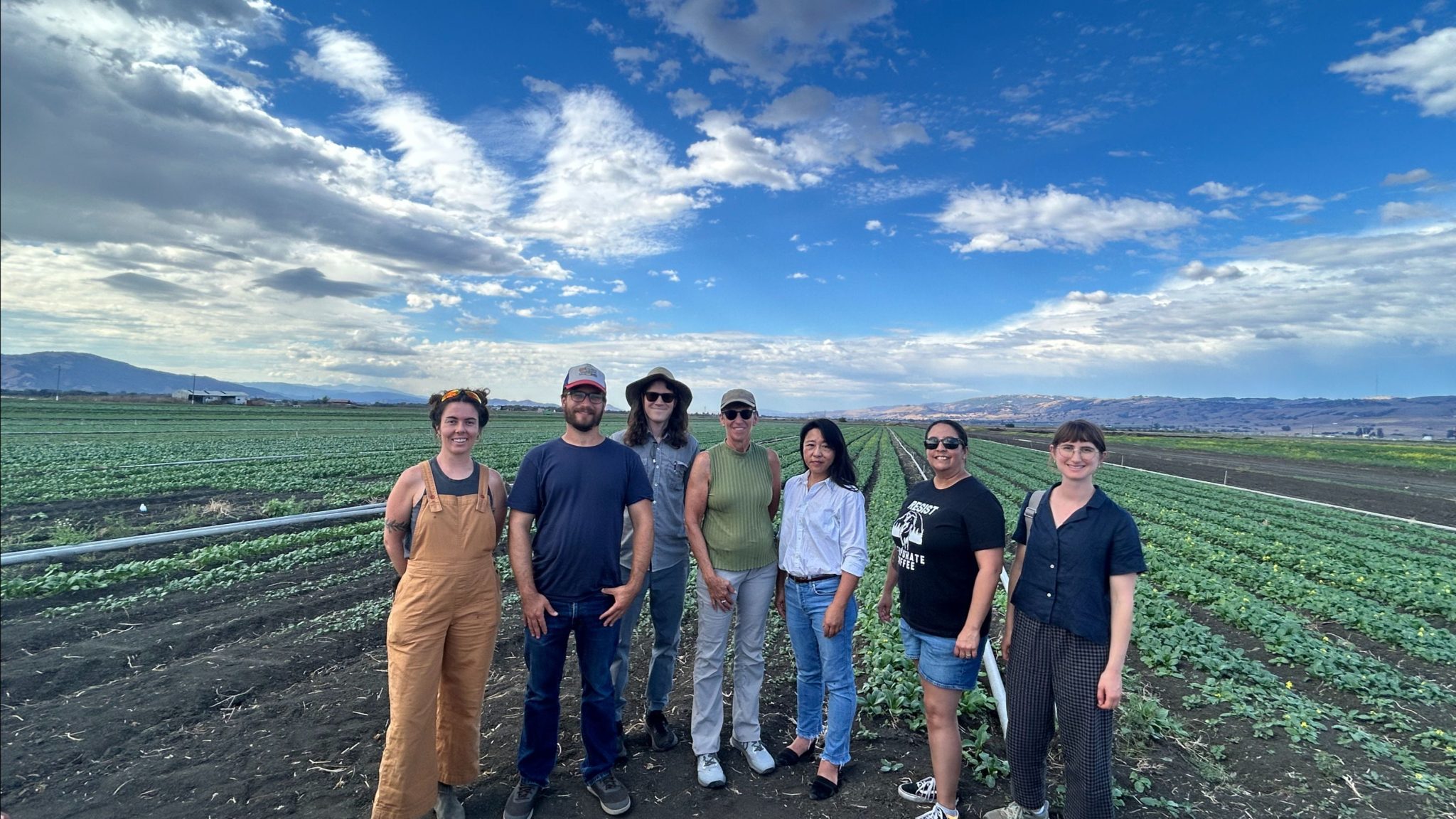

CalCAN Farmer Advisor Profile: Linda Chu
August 21, 2026
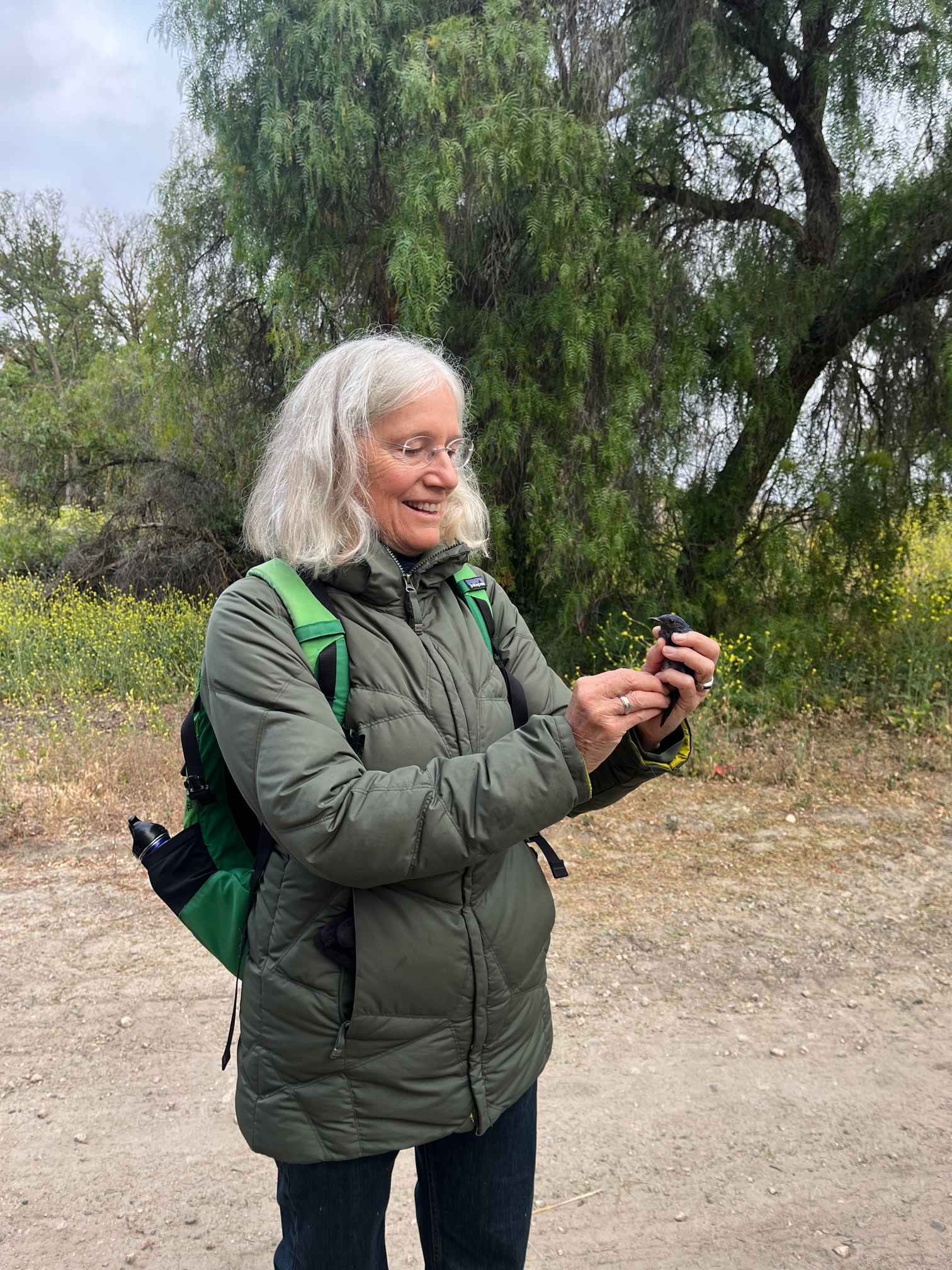
CalCAN Stewardship Council Profile: Jo Ann Baumgartner
July 16, 2026
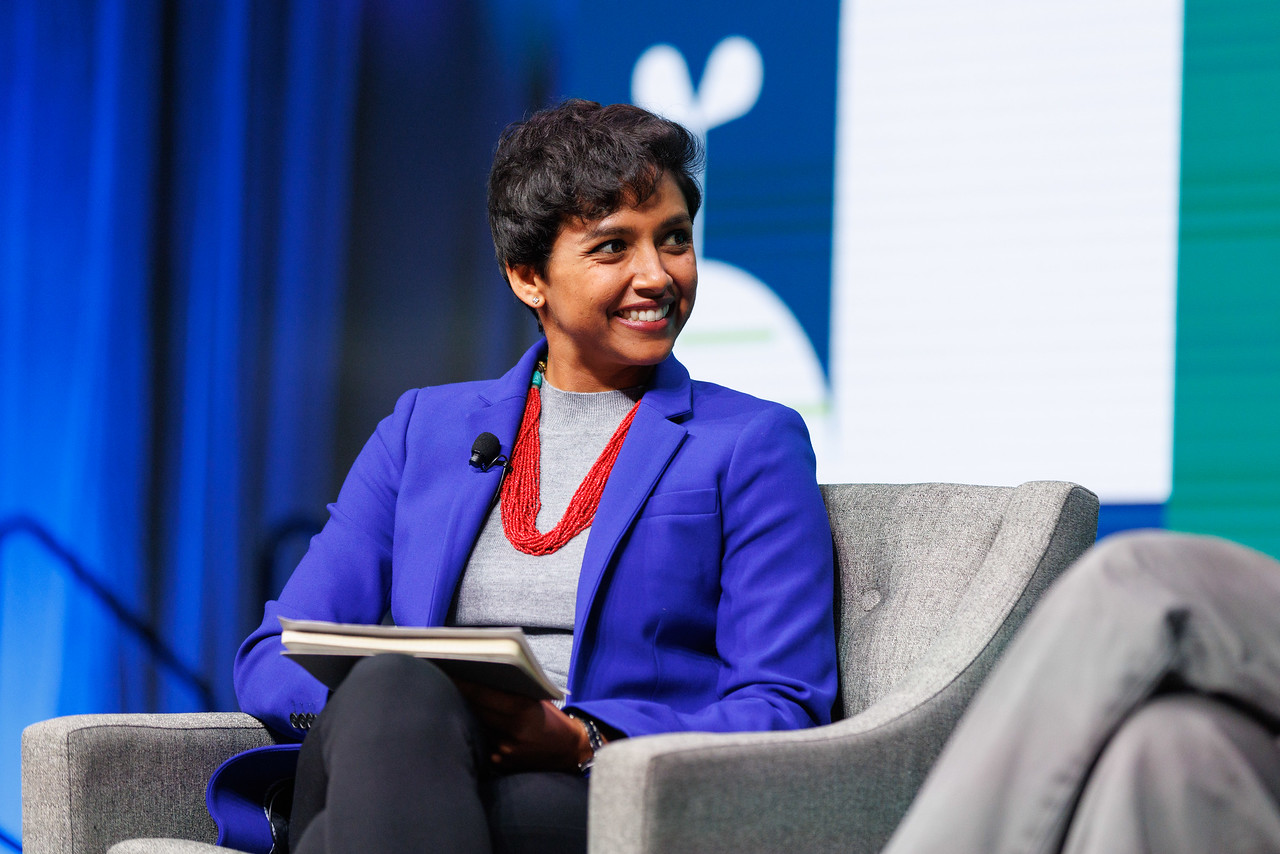
CalCAN Stewardship Council Profile: Arohi Sharma
June 24, 2026


Sign Up For Our Newsletter
"*" indicates required fields